
Conversion of Texas Farms and Ranches to Development: Federal, State and Local Tax (SALT)
Current Industry Conditions on America’s Farms and Ranches
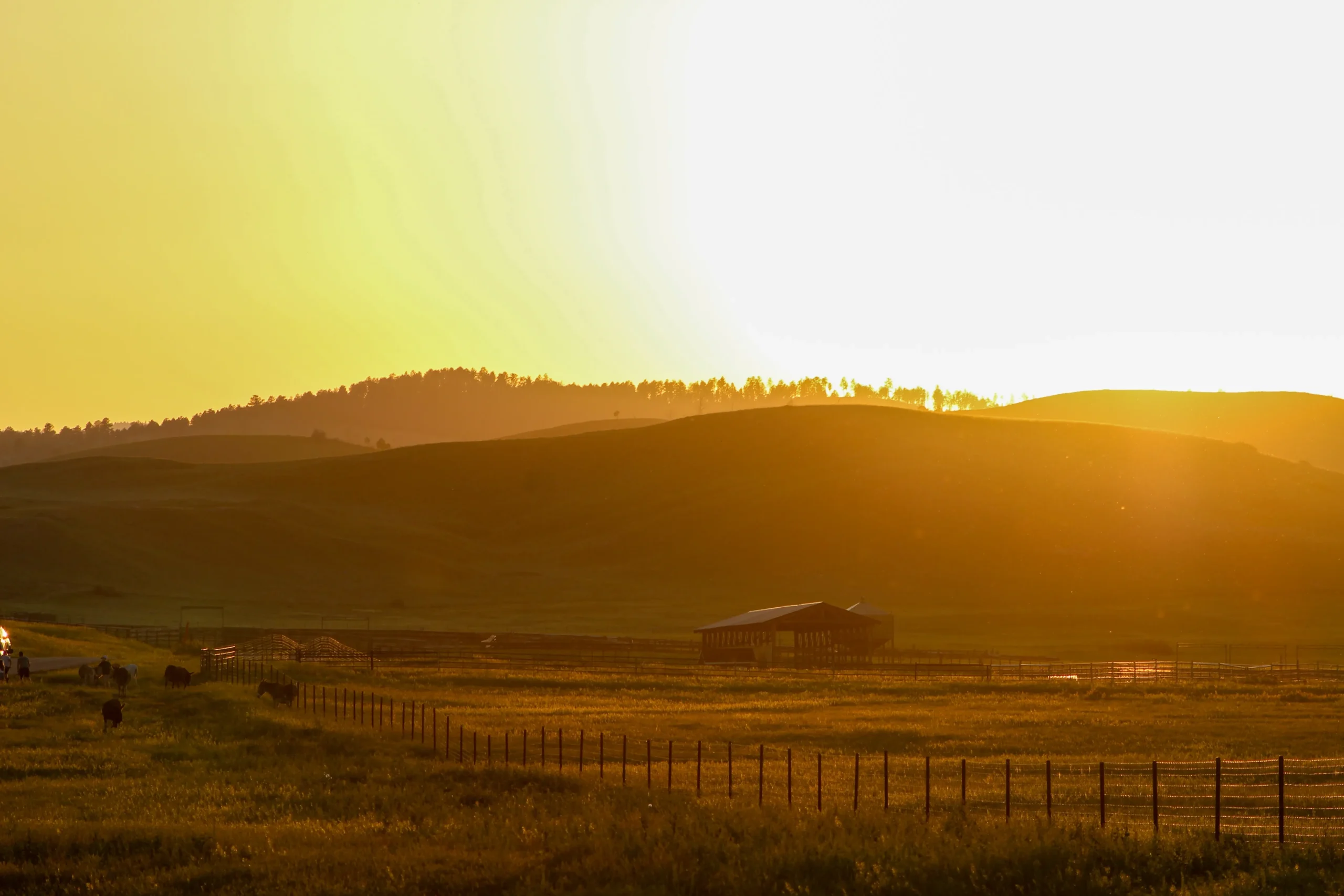
There is trouble on America’s small farms and ranches in Texas and around the U.S. For years the farming industry in America has been on the decline. Commodity prices have been down. Costs of goods has been up. Farm and ranch equipment old and there is no money to do the repairs. Debt is up and the farm and ranching operations cannot borrow any more money at the local bank. Farm bankruptcies have been rising over the last few years. Texas farmers and ranchers have been impacted the same as farmers around the country. The year 2026 has been brutal due to the variability of U.S. trade policies, wars and other factors driving up the costs of fertilizer, fuel costs and increases in other farm input. Black farmers and other minority farmers and ranchers have been hit even harder because they tend to operate smaller farms and traditionally have less access to capital to buy seed, equipment and less working capital to successful operate even in normal times. Farmers and ranchers; in general, has relied more and more on U.S. government subsistence programs over the last several years. Black and minority farmers and ranchers have relied on these and other federal help programs perhaps the most of all American farmers and ranchers. Many of these subsistence programs’ eligibility requirements have been modified or the programs have been cut-out all together in the last couple of years. The bottom-line is that America’s farmers and ranchers; at all economic straddle, are finding it difficult to survive these tough times. One-by-one American small farmers and ranchers are seeking restructuring in bankruptcy courts around the country; or simply disappearing all together. Farmers and ranchers cannot live like this. The disappearance of Texas farmers and ranchers in bankruptcy or the uptick in residential and commercial conversion of farmland and ranches are likely to impact food prices and food availability for everyone.
Conversion of Texas Farmland and Ranches: Federal and SALT Tax Pitfalls

Like farmers and ranchers around the country, some Texas farmers and ranchers are seeking to convert farmland and ranches into residential and commercial development. But; converting Texas farmland and ranches into residential or commercial development triggers a complex, multi-layered set of federal, state and local tax (SALT) consequences that can dramatically erode the economic value of the transaction if not carefully planned. At the federal level, the primary concerns are capital gains tax under IRC §§ 1231 and 1221, depreciation recapture under IRC §§ 1245 and 1250, soil and water conservation recapture under IRC § 1252, and the 3.8% net investment income tax under IRC § 1411. At the Texas state and local tax (SALT) level, the dominant concern is the agricultural rollback tax under Texas Tax Code § 23.55, which recaptures the property tax savings enjoyed during years of agricultural appraisal. Texas imposes no personal income tax, so all income tax exposure is federal. The federal and SALT tax code sections mentioned are not intended to be exhaustive. Review of a particular farmers or ranchers’ individual operations and economical situation is required to advise what steps should be taken and all the particulars as to how to proceed as the estate planning and tax attorneys at Coleman Jackson, P.C. can explain.
Tax Planning and Estate Planning

As the tax attorneys at Coleman Jackson, P.C. can explain the good news is that a well-structured plan using installment sales under 26 USCA § 453, like-kind exchanges under 26 USCA § 1031, Qualified Opportunity Zone investments under 26 USCA § 1400Z-2, conservation easements under 26 USCA § 170, estate planning elections under 26 USCA § 2032A, phased conversion strategies, wildlife management use designations pursuant to TEXAS TAX § 23.51, and careful entity structuring under TEXAS TAX § 171.001 could substantially minimize or defer some federal and SALT tax burdens.
The key is to talk to a tax and estate planning lawyer and plan early, before the land is under contract or before any physical change of use occurs. If the farmer or rancher sign the developer’s contract or if the developer is moving dirt around and pulling things apart; the possibility of minimizing federal, state and local tax consequences may decrease with every ton of dirt moved and every board pulled down by the developer. Early tax and estate planning cannot be overemphasized.
Key Takeaways
The current farm industry conditions are so dare that many farmers, especially small farmers and ranchers are finding it difficult to live and hold on to their land. Advance planning could save lots of dollars in minimizing or elimination of federal, state and local tax impacts. Complex tax laws are involved where Texas farmers and ranchers could benefit from consulting with experienced Texas tax and estate planning attorneys as they plan how to protect what’s left of their family farm or ranch in a very hostile industry. Many farmers and ranchers probably do not expect these dare economic conditions to turn-around in the foreseeable future without substantial federal government farm and ranch policy changes and implementations. The option of reorganizing in bankruptcy could actually lead to liquidation.
This law blog is written by attorneys at Coleman Jackson, P.C., which is located at 6060 North Central Expressway, Suite 620, Dallas, Texas 75206 for educational purposes; it does not create an attorney-client relationship between this law firm and its reader. You should consult with legal counsel in your geographical area with respect to any legal issues impacting you, your family or business.
Coleman Jackson, P.C. | Tax Law, Business Law, Estate Law | English (214) 599-0431 | Spanish (214) 599-0432 |
